
A swimmer tapers for six weeks, steps up to race, and swims slower than their in-season best. The instinct is to blame the taper. But taper swim performance rarely fails for the reason coaches assume.
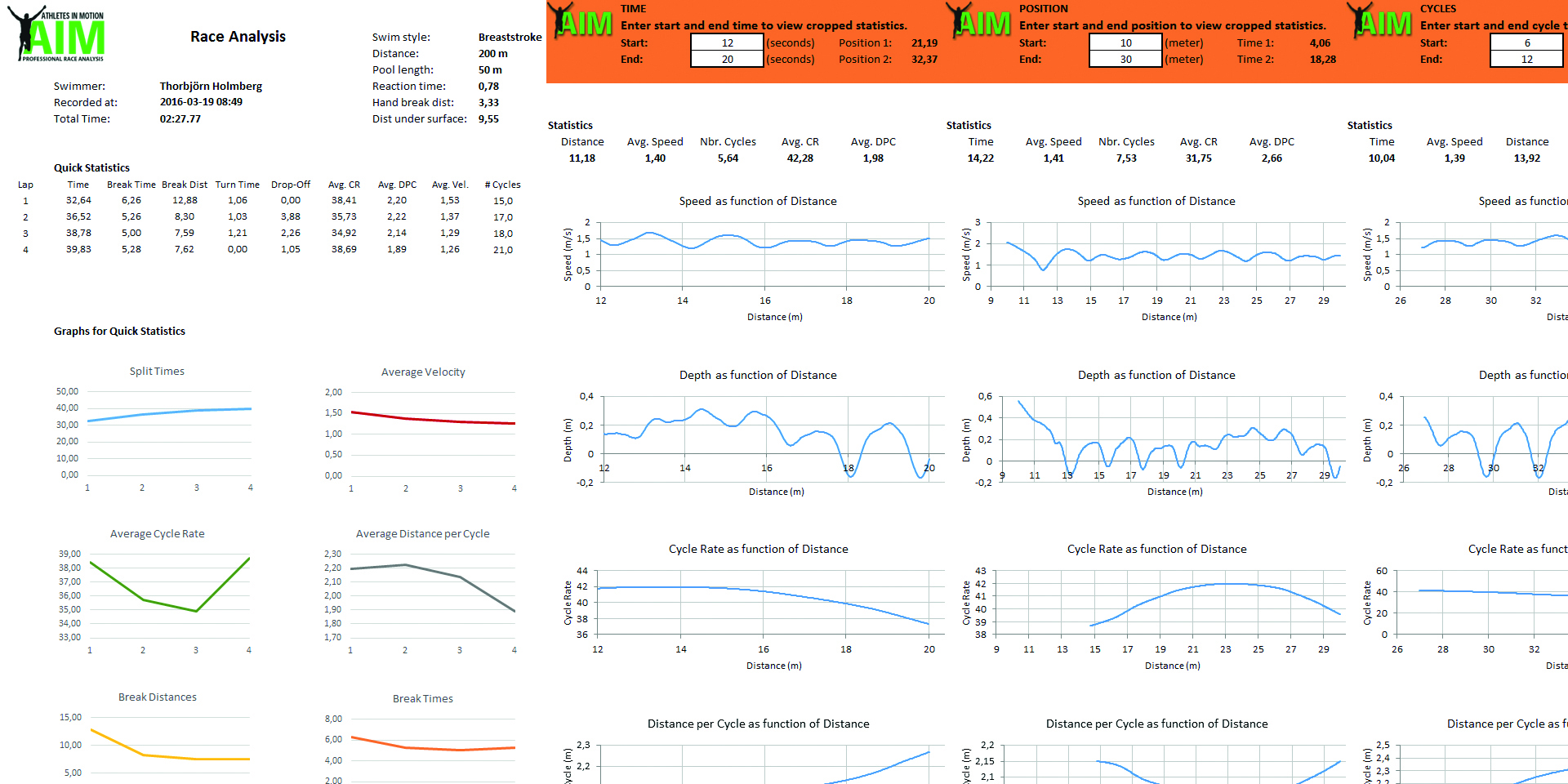
When you actually break the swim down lap by lap, the story is almost always different. The swimmer usually isn’t slower everywhere. They’re slower in one or two specific places — and that’s not a taper problem. That’s a technical or pacing problem the taper simply exposed.
Where taper swim performance actually breaks down
Look at four common culprits before blaming the taper itself:
- Stroke rate drift. A rested swimmer often goes out faster than usual, then can’t hold stroke rate in the back half. The overall time drops, but it’s a pacing error, not fatigue from training.
- Turn time creeping up. Fresh legs don’t fix a sloppy approach to the wall. If turn time is flat or worse than a mid-season swim, the taper isn’t the issue — the turn technique is.
- Breakout distance shrinking. A swimmer who’s excited and rushing often pops up early off the wall, losing underwater speed they normally use to their advantage.
- Dropoff on the final lap. If dropoff — the change in lap time compared to the previous lap — spikes late, that’s a conditioning or pacing signal, not proof the taper backfired.
Any one of these can slow a final time by more than enough to make a taper look like it failed. None of them are actually caused by tapering.
Why this gets misread so often
Part of the problem is how race segments get defined in the first place. Gonjo and Olstad’s 2021 review of race-analysis research found that studies don’t even agree on how to define a turn segment — seven different definitions show up across the literature. If researchers can’t agree on where a turn starts and ends, it’s no surprise a coach on deck, watching with a stopwatch, misreads what actually went wrong.
The same review also found that breakout distances have grown substantially since the 1980s across all four strokes, with backstroke up roughly 50 to 66 percent. A coach comparing a swimmer’s breakout to an old personal benchmark might flag it as “slower” when it’s actually right in line with modern technique — the benchmark is what’s outdated, not the swim.
What to check instead
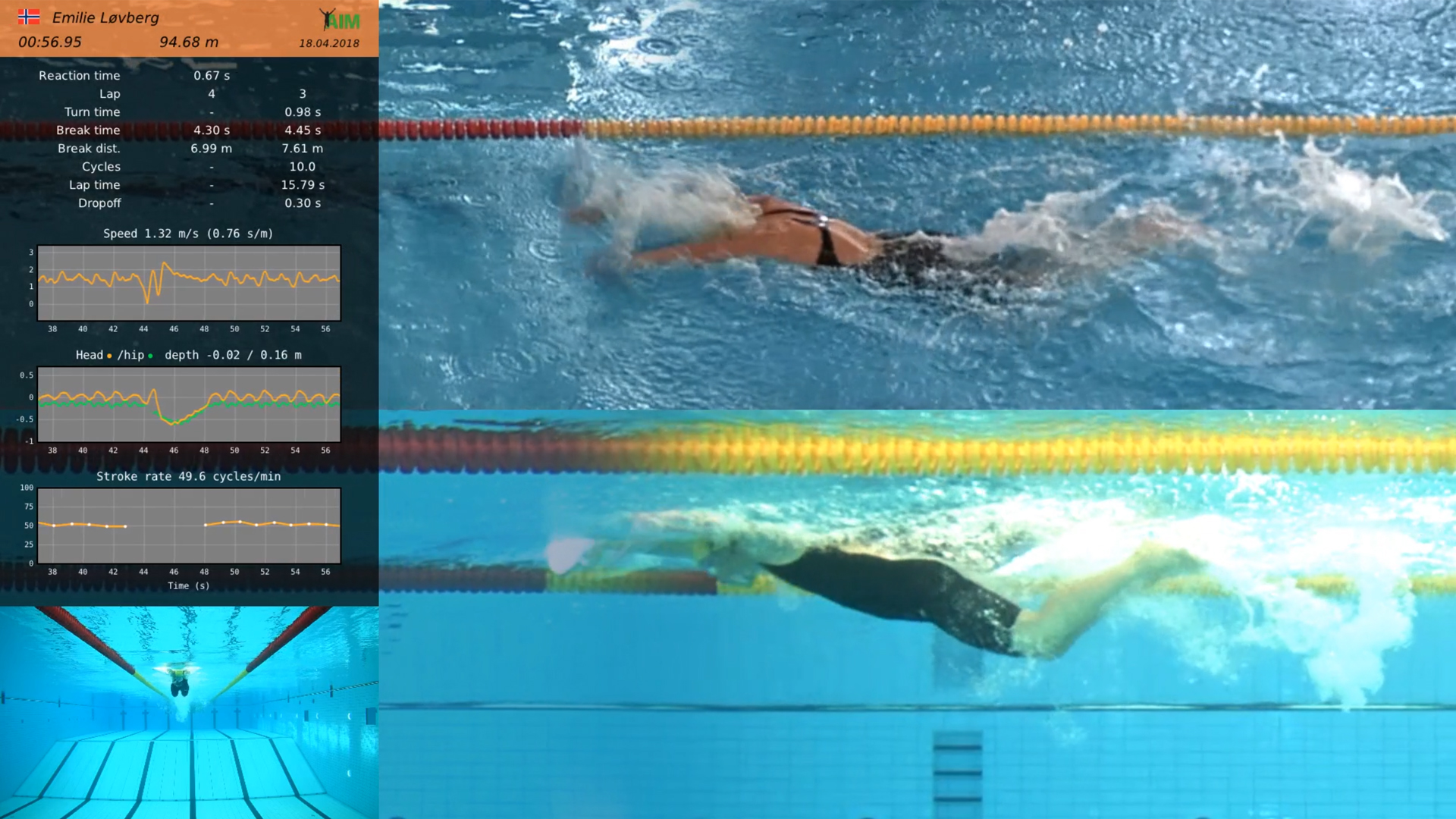
Before writing off the taper, compare the swim lap-by-lap against the swimmer’s own past top times. This is exactly where AIM Systems earns its keep. Every automated capture measures turn time, breakout distance, stroke count, stroke rate, and lap-by-lap dropoff — then lets you line the new swim up against the swimmer’s personal best or a manually entered reference time.
That comparison usually shows the taper worked. The swimmer was fresher, faster underwater, and had more speed in reserve. What went wrong was where they spent it — not whether they had it.
Because AIM Systems runs on fixed cameras at the pool, this comparison happens automatically after every timed swim, without a coach trying to reconstruct splits from memory or a stopwatch.
If you want to see exactly where a taper swim gained or lost time, lap by lap, get in touch with AIM Systems — no pressure, just a conversation about your pool.
Frequently asked questions
Why does a swimmer sometimes go slower after a taper?
Usually it’s a pacing or technical issue in one or two segments, such as stroke rate drift or an early breakout, not a failure of the taper itself.
What lap data should a coach check after a taper swim?
Compare turn time, breakout distance, stroke rate, and lap-by-lap dropoff against the swimmer’s own past best times.
Has breakout distance changed over time in competitive swimming?
Yes, research shows breakout distances have grown substantially since the 1980s across all four strokes, with backstroke up roughly 50 to 66 percent.
Sources
- Gonjo, T., & Olstad, B.H. (2021). Race Analysis in Competitive Swimming: A Narrative Review. International Journal of Environmental Research and Public Health, 18(1), 69. https://doi.org/10.3390/ijerph18010069
Social Contact